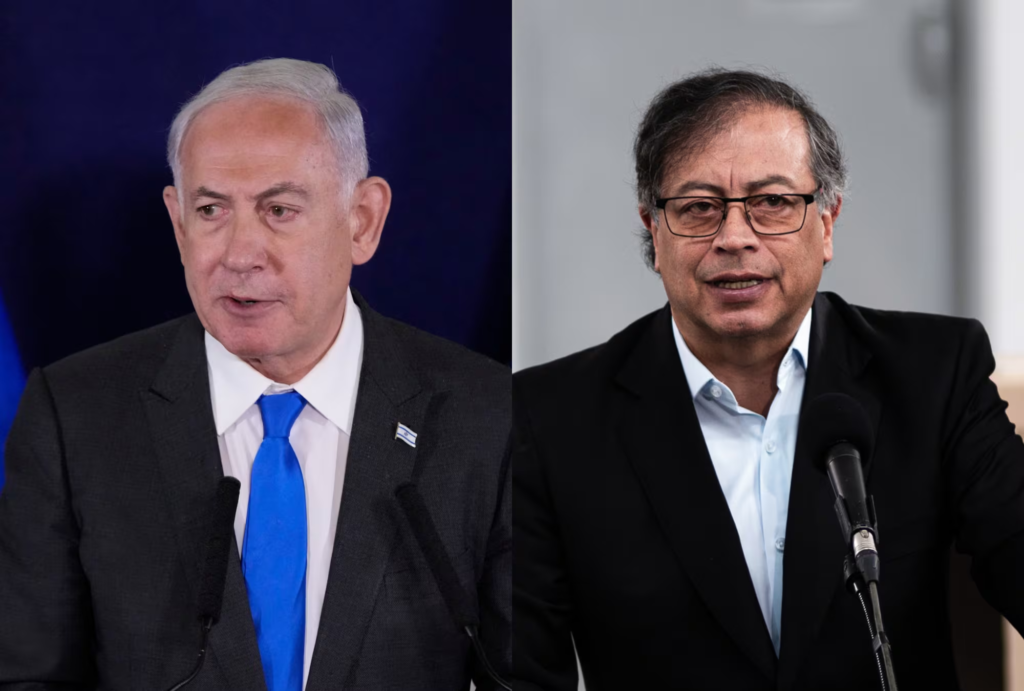
The decades-old alliance that once defined Latin American security has just gone up in flames. In a move that has stunned Washington and ignited a firestorm across the Middle East, Colombia has officially pulled the plug on its relationship with Israel, leaving a trail of high-stakes drama and shattered treaties in its wake.
The world of international diplomacy isn’t usually known for sudden, heart-stopping breakups—but Colombia’s President Gustavo Petro just delivered one for the history books. By formally severing diplomatic ties with Israel, Petro hasn’t just moved a chess piece; he’s flipped the entire board. For a nation that was once Israel’s most loyal partner in the region, this isn’t just a policy shift—it’s a geopolitical earthquake.
The “Genocide” Accusation: The Moment the Bridge Burnt
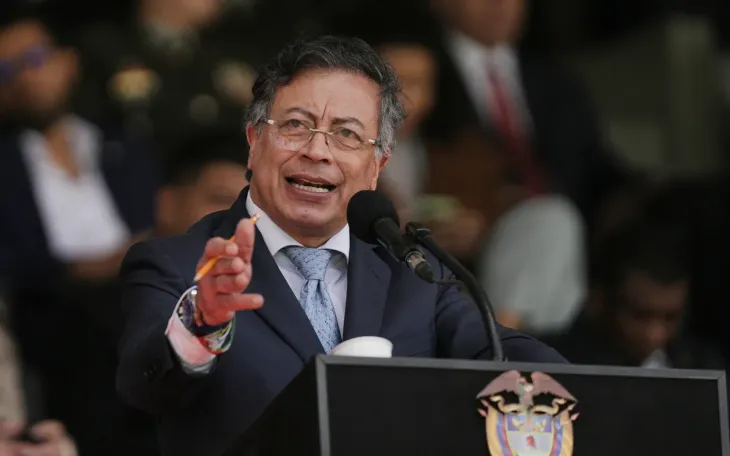
The drama reached its boiling point during a high-profile rally where President Petro didn’t hold back. Labeling Israel’s leadership “genocidal,” he effectively ended nearly 70 years of cooperation with a single speech. This wasn’t a quiet exit; it was a loud, public, and deeply emotional divorce that has left the international community gasping.
Supporters of the move are hailing Petro as a “moral compass,” praising Colombia for taking a stand for human rights. But on the other side, critics are screaming “betrayal.” The Israeli Foreign Ministry fired back instantly, calling Petro “antisemitic and full of hate,” accusing him of rewarding terrorism. The digital war between Bogota and Jerusalem is now trending globally, and the comments sections are a battlefield.
Security in Peril: Is Colombia’s Military Now “Lame Duck”?
Beyond the fiery rhetoric lies a terrifying reality for Colombia’s internal security. For years, Israel has been the backbone of the Colombian military’s tech and hardware. We’re talking about:
- The Kfir Crisis: Colombia’s entire fleet of fighter jets is Israeli-built. Without Israeli maintenance, these multi-million dollar machines are essentially becoming expensive paperweights.
- The Galil Factor: The standard-issue rifle for the Colombian soldier? Israeli design.
- Cyber Warfare: Israel has been Colombia’s silent guardian in the digital space, providing the tech to fight off cartels and cyber-terrorists.
By cutting ties, Petro is gambling with the country’s defense. Critics warn that “diversifying suppliers” is a process that takes decades, not days—and the drug cartels aren’t going to wait for a new shipment of rifles.
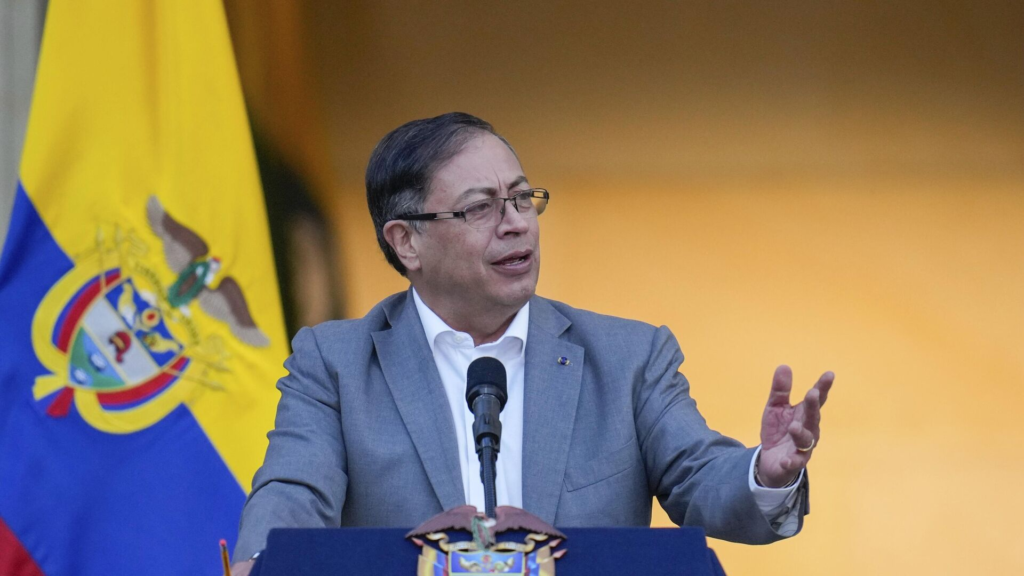
The Pivot: From Washington to… Where?
The “drama” doesn’t stop at the borders of Colombia or Israel. Washington is watching this unfold with gritted teeth. Colombia has long been the U.S.’s strongest ally in South America, and this pivot away from a key American partner like Israel signals a massive shift in gravity.
Rumors are already swirling on social media and in political circles: Is Colombia moving toward a new axis? As Petro distances himself from Jerusalem, observers are noting a warmer tone toward other global powers, leading to fears of a “Venezuela-style” diplomatic isolation that could reshape the entire Western Hemisphere.
The Breaking Point: What’s Next?

As of late April 2026, the situation remains a powder keg. Protests are flaring up, trade deals worth billions in coal and coffee are hanging by a thread, and the “Special Relationship” is in the ICU. This story has everything: betrayal, high-tech weaponry, and a leader willing to burn it all down for a cause.
For the American observer, this isn’t just news about a distant country. It’s a preview of the new world order—where old alliances are no longer sacred, and a single tweet or speech can dismantle a half-century of peace.
Is Colombia’s bold move a heroic stand for justice, or a strategic suicide mission? The world is hitting “refresh,” waiting for the next blow in this diplomatic heavyweight fight.