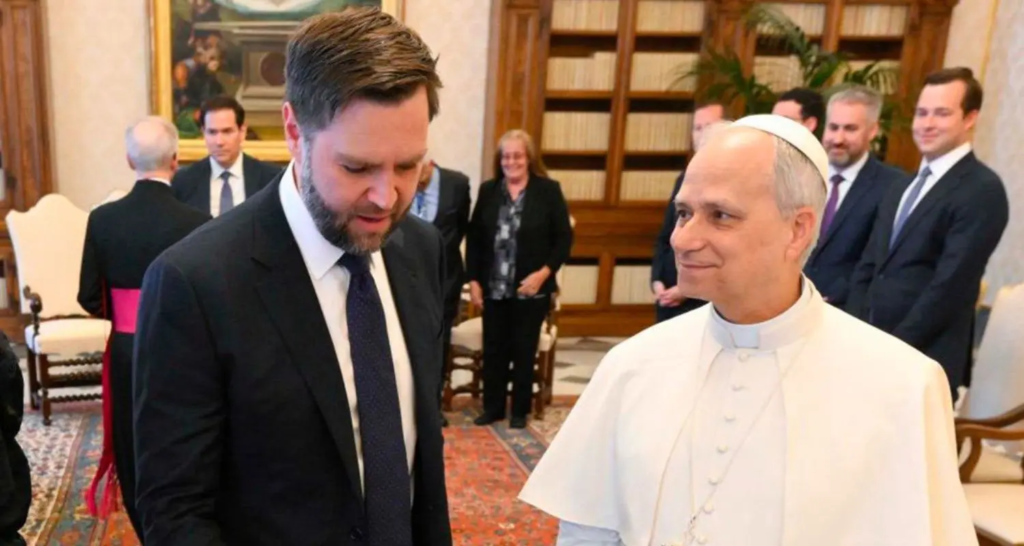
The Theological Duel: JD Vance’s Bold Challenge to Pope Leo XIV Shakes the Catholic World
The tension between the Trump administration and the Vatican has reached a boiling point in April 2026. Following President Donald Trump’s intensified military stance in the Middle East, Pope Leo XIV—known as “The Latin Yankee”—issued a series of sharp rebukes from Rome. However, it was Vice President JD Vance, a devout Catholic convert, who stepped into the fray to deliver a “strong claim” that has left theologians and political analysts stunned. Vance’s defense of American foreign policy through the lens of ancient Church doctrine marks a pivotal moment in the relationship between the U.S. government and the Holy See.
The Conflict Over “The Sword”
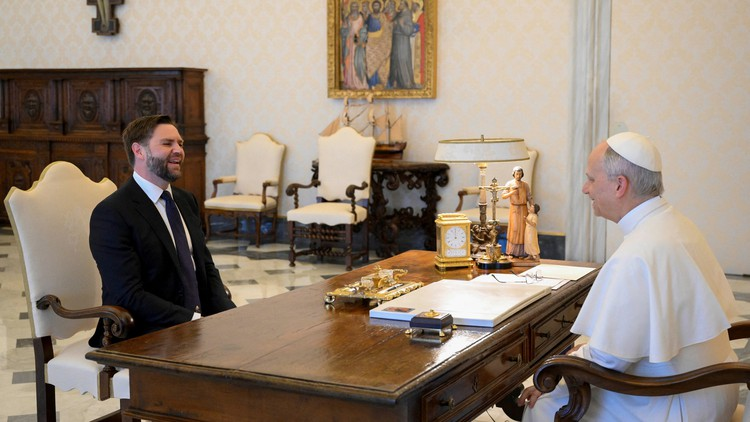
The spark that ignited this firestorm was a post from Pope Leo XIV on X (formerly Twitter), where he stated that God is “never on the side of those who once wielded the sword and today drop bombs.” For JD Vance, this wasn’t just a political statement; it was a theological error. Speaking at a Turning Point USA event at the University of Georgia, Vance questioned the Pope’s understanding of “Just War Theory”—a tradition dating back over a thousand years to St. Augustine and St. Thomas Aquinas. Vance’s argument was clear: there are times when wielding the sword is not only justifiable but morally necessary to protect the innocent.
“Stay in Your Lane”: Vance’s Message to the Vatican
In a series of media appearances, Vance effectively told the Vatican to “stick to matters of morality” and let the President of the United States dictate public policy. This “America First” approach to theology suggests that while the Pope is a moral authority, his jurisdiction does not extend to the tactical decisions of a sovereign nation defending its interests. The mainstream media has been quick to label this as “mansplaining theology to the Pope,” but for millions of MAGA-aligned Catholics, Vance is seen as a courageous defender of national sovereignty against a “globalist” Vatican agenda.
The Shadow of Pope Leo’s “Woke” Agenda
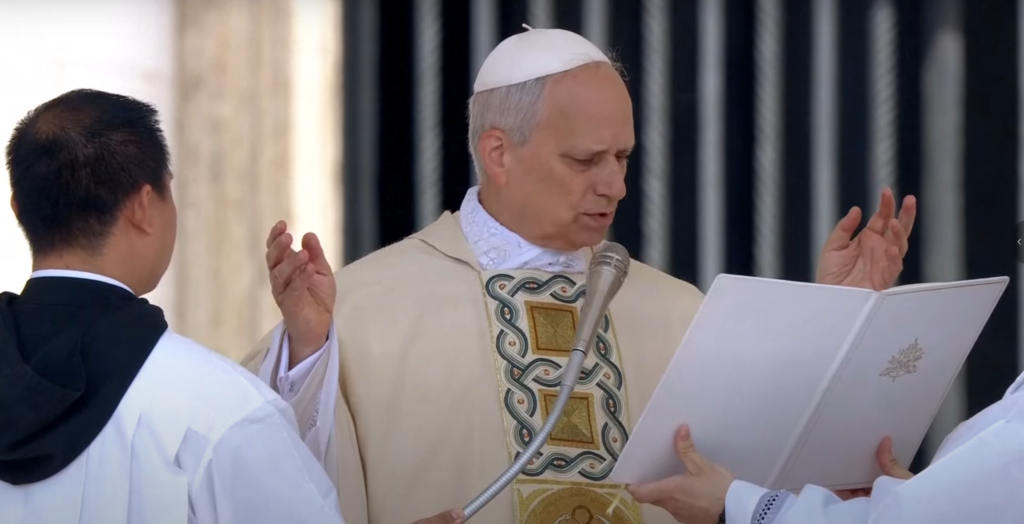
Since his election, Pope Leo XIV has been a persistent critic of the Trump-Vance administration, particularly on issues of immigration, AI, and military intervention. Allies of the President, including high-profile activists, have gone as far as to label Leo a “Marxist puppet.” This backdrop of mutual distrust makes Vance’s recent comments even more explosive. By invoking the history of U.S. troops liberating Holocaust camps, Vance posed a direct challenge: “Was God on the side of the Americans who liberated those innocent people?” His implication is that the Pope’s blanket condemnation of conflict ignores the reality of moral heroism on the battlefield.
Catholic Voters Caught in the Middle
With a brutal midterm election cycle approaching, this feud has placed the American Catholic electorate in a difficult position. Polls suggest that while Pope Leo remains popular with 60% of the public, the Trump administration maintains a firm grip on the conservative base. Vance’s book on his conversion, due out this summer, is expected to delve deeper into his belief that Catholicism and American nationalism are not only compatible but mutually reinforcing. However, critics argue that using faith to justify a potential war with Iran is a “sacrilegious” co-opting of the Gospel for political gains.
The “Christ-Like” Image Controversy
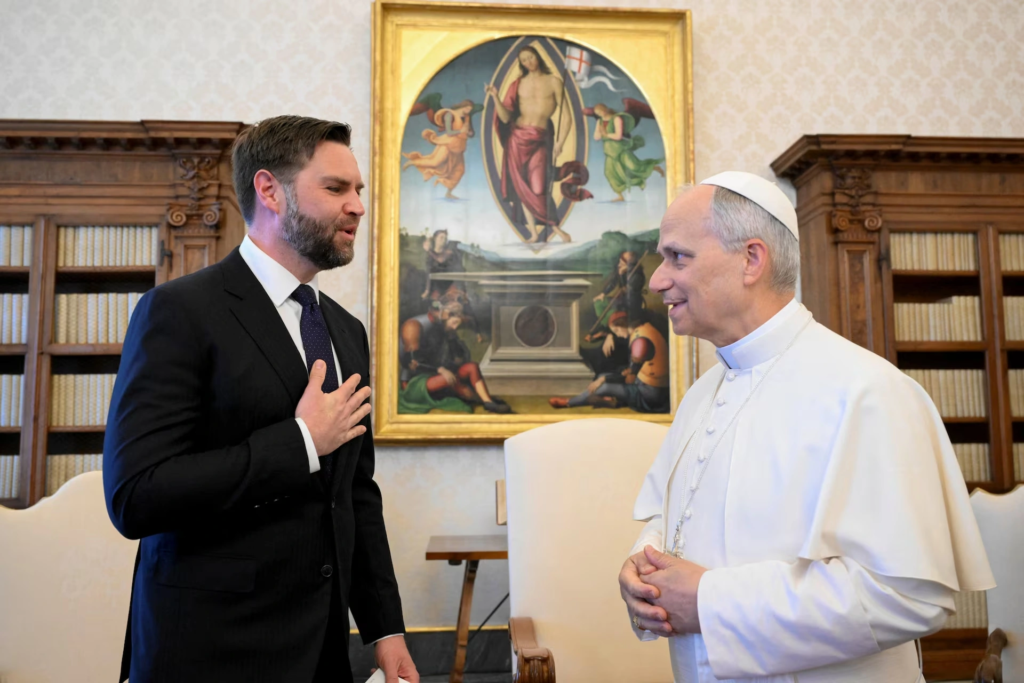
Adding fuel to the fire was an AI-generated image shared—and later deleted—by President Trump, depicting himself in a Christ-like role. Vance defended the post as a “joke” that people failed to understand, but the Vatican has not been amused. The coordinated attacks from the White House against the Pontiff are being viewed in Rome as an attempt to undermine the moral authority of the Church. As the rhetoric escalates, the question remains: Can the Trump administration afford to alienate the Catholic vote in key swing states?
Conclusion: A Republic Above All
Ultimately, JD Vance’s claim is a testament to the “America First” philosophy: that no international body, not even the Vatican, should override the decisions of the American people and their elected leaders. The clash between the Vice President and the Pope is a reminder that the battle for the soul of the West is being fought on both political and spiritual fronts.
As we move forward into 2026, the resolution of this conflict will likely define the future of the conservative movement’s relationship with organized religion. We must remain firm in our convictions, protect our national interests, and ensure that the truth—however uncomfortable it may be for the establishment—is always heard. The best is yet to come, but only if we have the courage to stand for what is right.